
High Quality Solutions
MAC Groundwork Contractors Ltd are proud to be long-standing members of the Sports and Play Construction Association (SAPCA). With a proven track record of delivering high-quality solutions, we take great pride in every project, delivering expertly built sports pitches exactly as planned.

Types of Sports Pitches
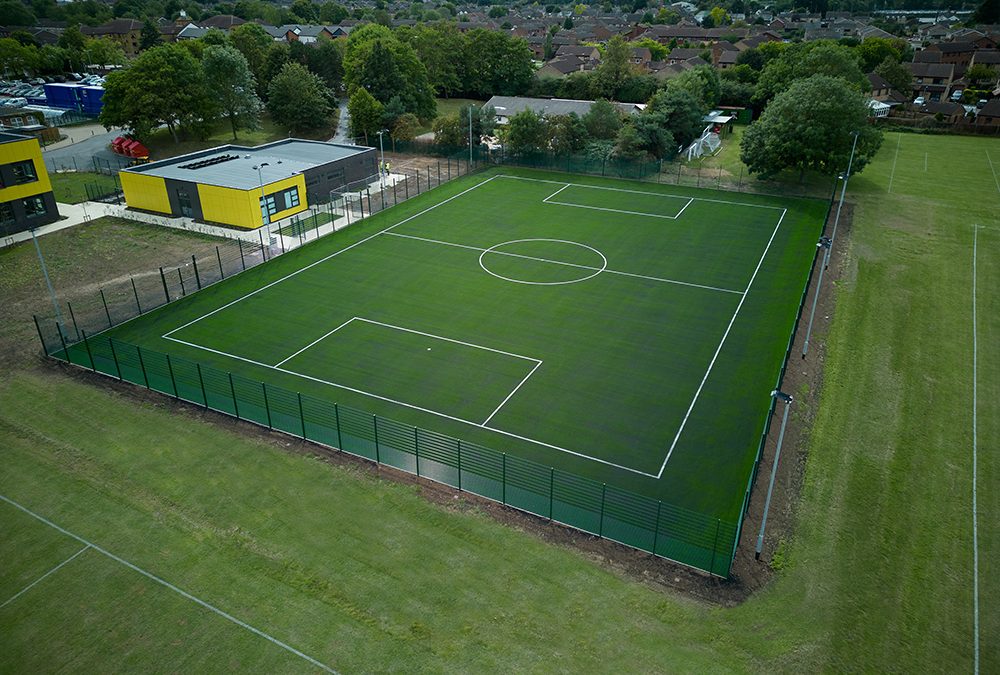
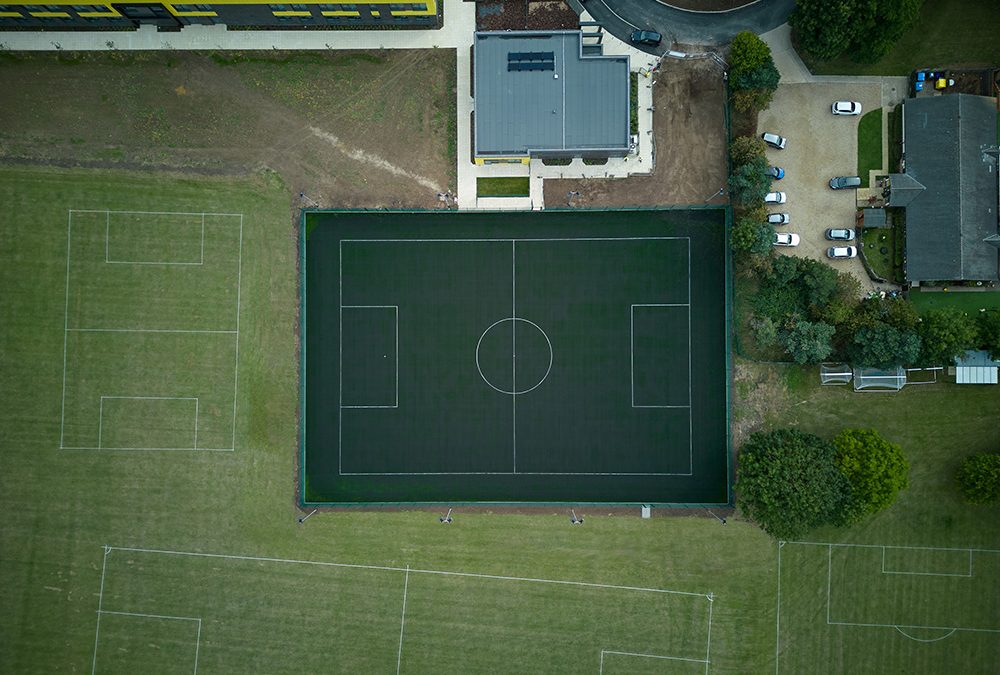
We install a range of surfacing options for 3G and 4G sports pitches designed for high-performance play and long-term durability.
3G Artificial Turf
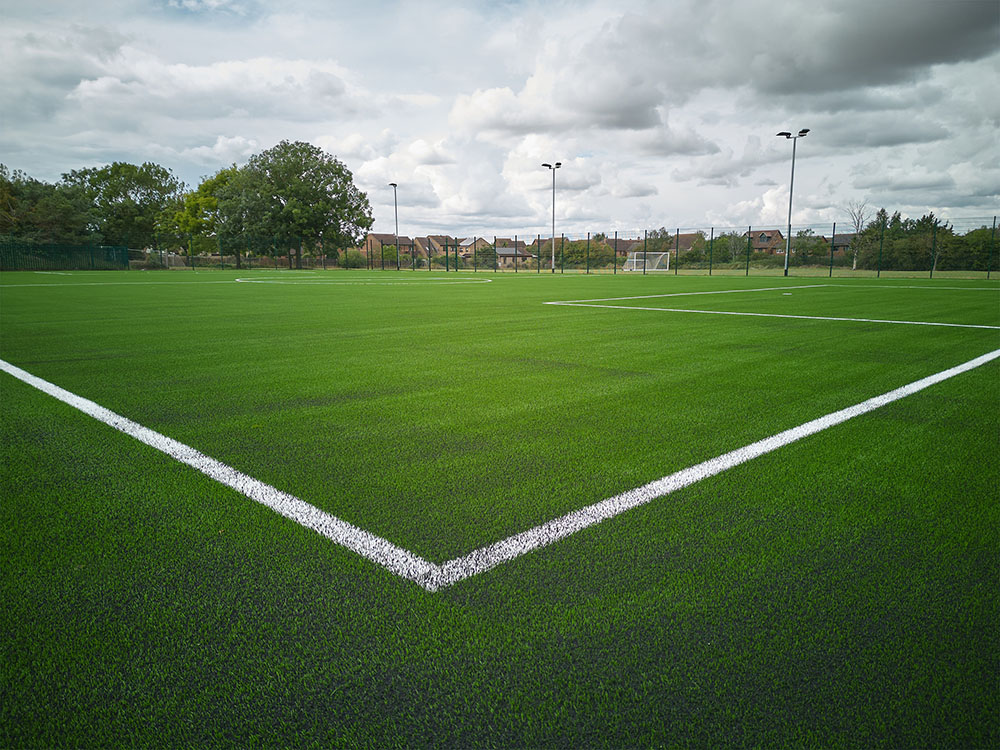
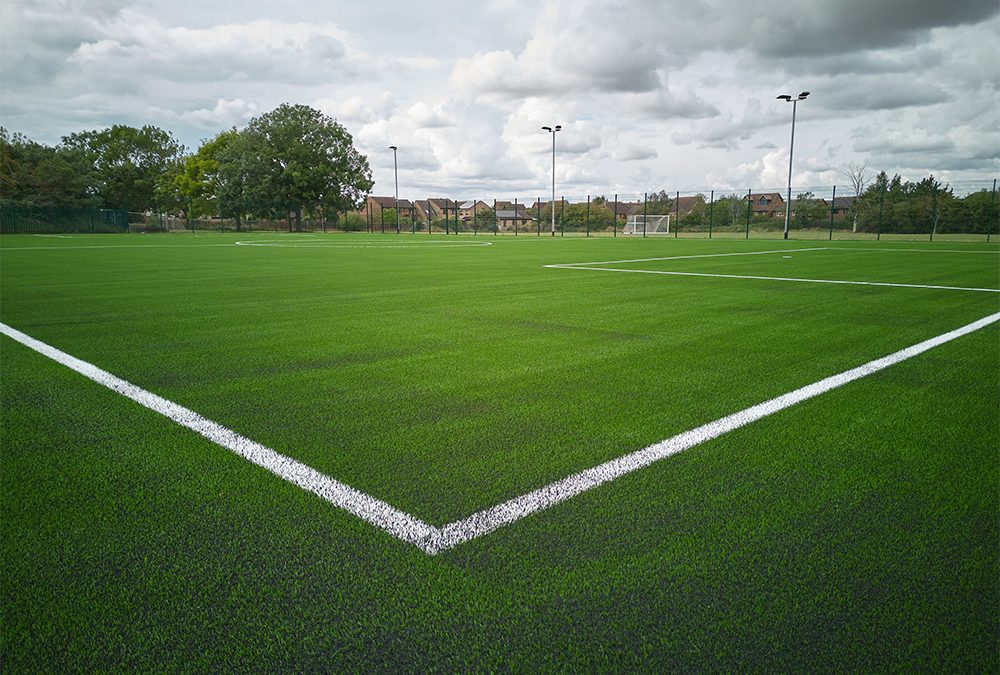
3G pitches feature synthetic grass with sand and rubber infill, engineered to deliver consistent playing characteristics for football and rugby. They meet FA, FIFA and World Rugby standards and are widely used by schools, clubs and community facilities.
4G Artificial Turf
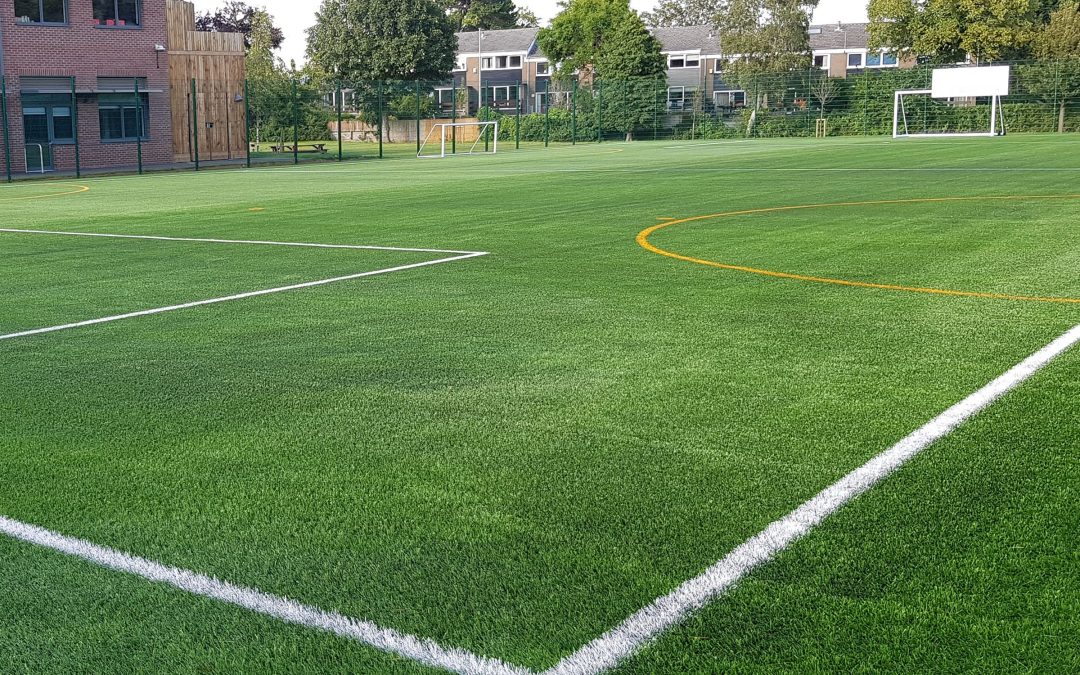
4G pitches use longer pile artificial turf with an integrated shock pad system, eliminating the need for rubber infill whilst providing enhanced player comfort and performance. They offer a cleaner, more sustainable playing surface suitable for football and rugby at all levels.
Choosing a Sports Pitch
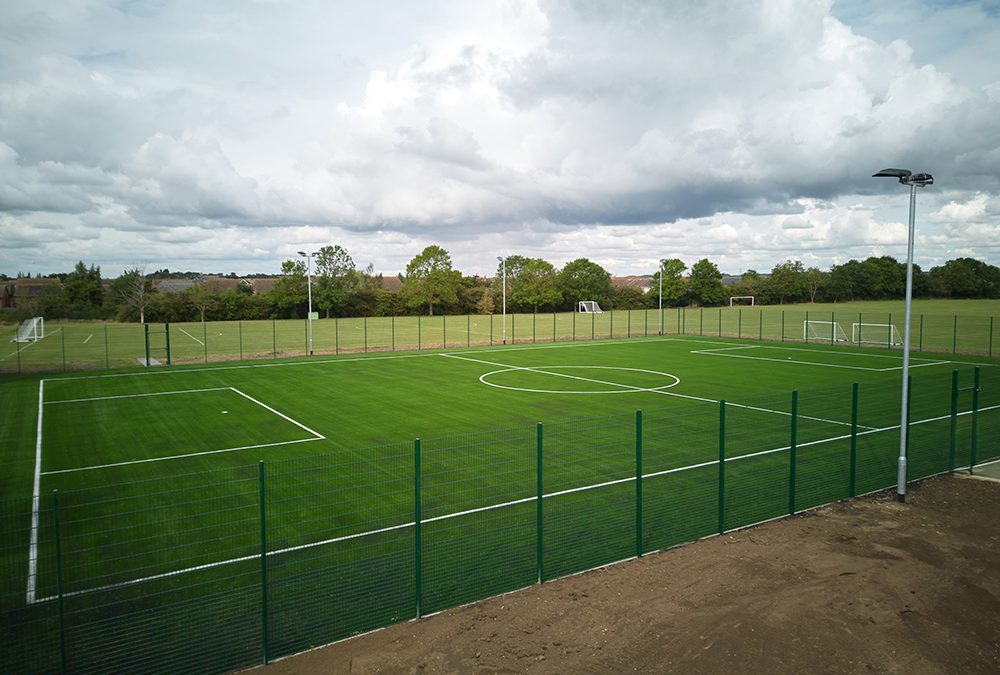
When choosing your sports pitch, there are several factors to consider: The space you have available, your budget, the level of maintenance required, what sport it will primarily be used for and how often it will be used.
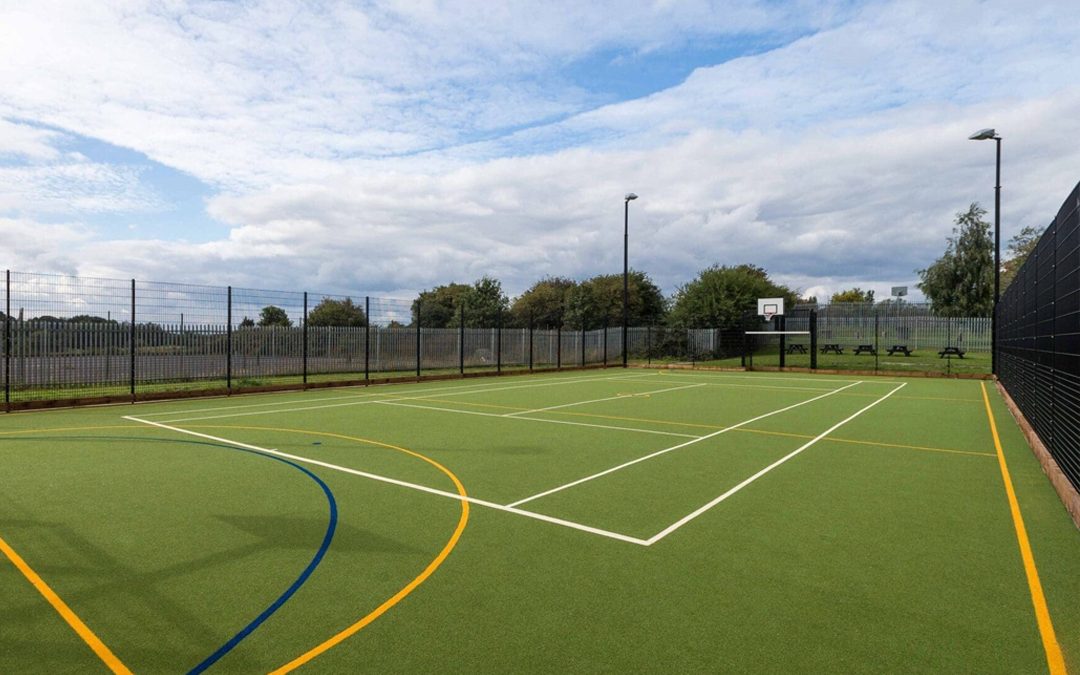
We can advise you on the best solution for your requirements and discuss additional features to incorporate in your project such as fencing, lighting, drainage and access paths.
Years Experience Constructing Sports Pitches
Sports Pitch Projects Completed
sports pitch Projects
View our completed sports pitch construction projects.
FREQUENTLY ASKED QUESTIONS
What's the difference between a 3G and a 4G artificial pitch?
Both are modern synthetic surfaces designed for year-round play, but they work differently. 3rd generation (3G) pitches use longer pile artificial grass filled with sand and rubber crumb infill, which provides cushioning, stability and a realistic playing feel. They’re the most common choice for dedicated football and rugby facilities and can be certified to FA, FIFA and World Rugby standards. 4th generation (4G) pitches use advanced yarn technology and an engineered shock pad system instead of rubber infill, making them cleaner to play on, more environmentally friendly and lower maintenance. 4G is a growing choice for community and training facilities where those factors are a priority. We can help you work out which generation suits your sport, budget and site.
What's involved in constructing a 3G or 4G sports pitch?
A complete installation covers site clearance and groundworks, an engineered drainage system and sub-base, shock pad installation (for 4G) or engineered base layer (for 3G), artificial turf installation, infill application and line marking, and perimeter fencing. Floodlighting is also included where required. We manage the full build as SAPCA Approved Principal Contractors, so clients have one experienced team overseeing everything from groundworks through to the final surface.
How long does it take to install a 3G or 4G pitch?
Most projects are completed within 12 to 16 weeks from commencement on site, subject to weather and ground conditions. We’ll agree a clear programme with you at the outset so you know what to expect at each stage. Engaging with us early in the process also helps reduce risk and keeps the project on track.
Do 3G and 4G pitches need planning permission?
Yes, in most cases, particularly where floodlighting is proposed or the facility sits close to residential properties. Floodlighting columns for a full-size pitch are typically 15 to 18m high and will require consent in most locations. Environmental considerations such as drainage and surface water management may also need to be addressed. School sites often have more flexibility under permitted development rights. We recommend engaging with your local planning authority early, and we can provide drawings, photometric studies and supporting documentation for any application required.
What maintenance does a 3G or 4G pitch require?
Both surfaces need routine upkeep to perform well and achieve their full lifespan of 10 to 12 years. Weekly tasks include brushing to redistribute infill and lift pile, debris removal and visual inspections. Monthly tasks cover deep brushing, checking infill levels and clearing drainage channels. Annually, a professional deep clean, infill top-up and seam checks are recommended, along with FA retesting if the pitch is certified. Catching small issues early keeps maintenance costs manageable and protects the facility long term. We offer ongoing maintenance support including servicing, emergency repairs and resurfacing when the time comes.
SEND YOUR ENQUIRY
Complete the form to send your enquiry to the MAC Groundworks team.